
The noise on the global block these days is Africa is rising; it’s one of the fastest-growing continents. At least, that was before COVID-19 reset the equation.
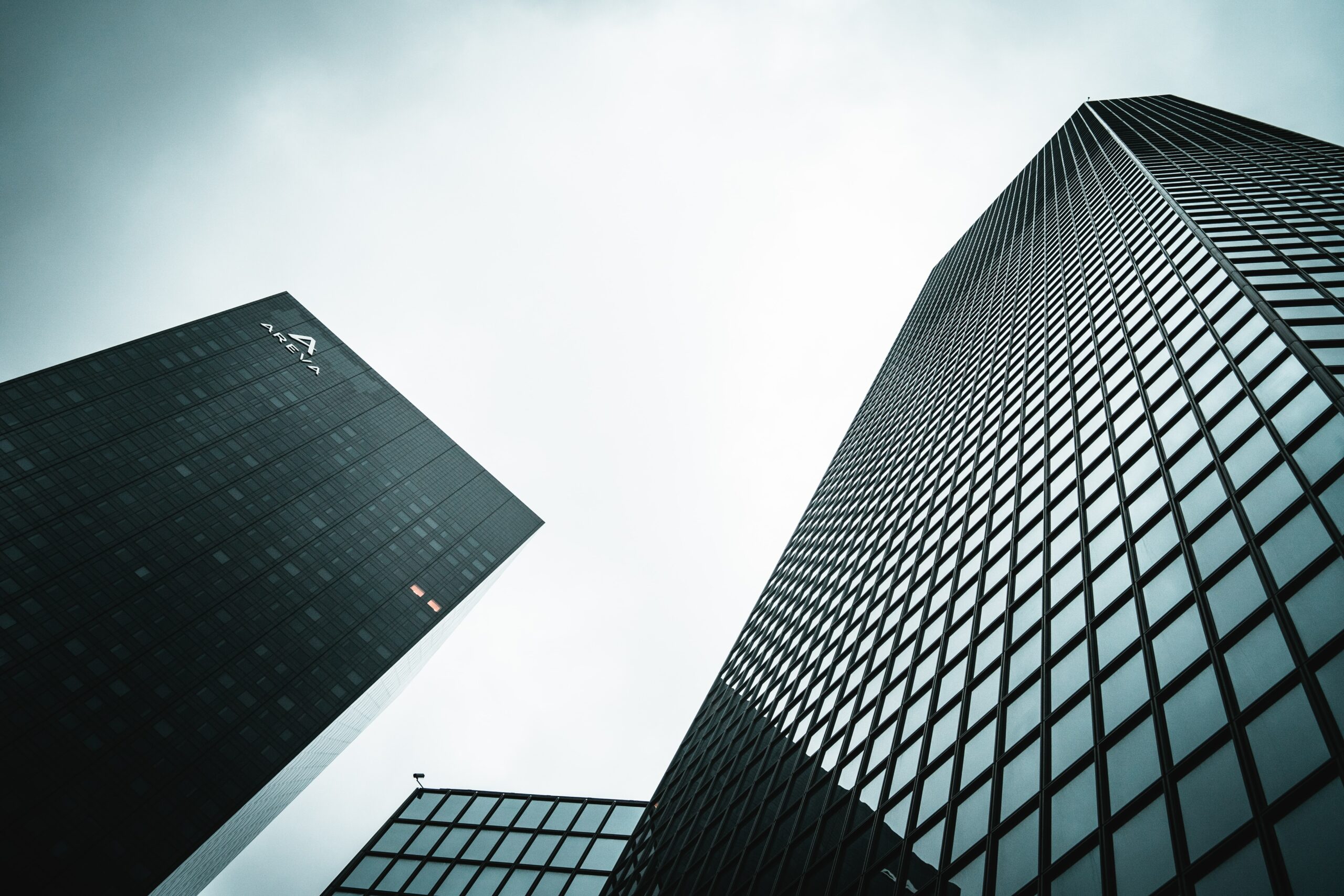
Drive through any major African city, and you can’t miss the most gleaming sign of this prosperity: glass-clad mid-rise buildings jutting into the skies. Sometimes, you’ll be forgiven for assuming you’re in a mid-sized US city, if not quite in Chicago or New York.
The International Style of building is catching up, and some major African cities are jumping in on the craze. But in the big cities of America, Asia, and Europe, this style reigns for the right reasons.
However, where I live, I can’t quite find the method in the crazy taste for glass windows and doors.
Classy glossy finish, but at what cost?
Beautiful skyscrapers are popping up in my city, Accra, the capital of Ghana. And in many tropical African cities.
As if turning most of the national capital into a concrete jungle isn’t bad enough, we’re turning many parts of the city into a glassland. Sites that were bare a few decades ago are now home to glass-like structures, also home to some of the biggest companies.
Not all bad news, though.
It seems that’s the new trend in town and designs like that command the highest rents. As a side note, rental values in Accra are some of the highest on the continent.
But away from the cost of developing and renting space in these skyscrapers, here’s the hidden cost of these glass towers.
Higher energy consumption
Again, I’m narrowing things down to Accra for proper context. It’s hot here most days of the year — not Sahara desert hot — but still uncomfortably hot most days, often reaching a peak of over 30 degrees Celsius often (86 degrees Fahrenheit).
In line with how some of these buildings are designed and operated, the windows are seldom opened (they’ll affect the operation of air conditioners).
It means more energy is needed to keep the temperature in these spaces habitable, an extra load on the national grid. And for a tropical country, that’s a big deal.
Never mind that only a few of these modern buildings generate enough on-site energy to offset some of these operational energy needs. It means more air-conditioners whirring and breathing cold air into the rooms.
But for a country that has struggled to generate and distribute enough power consistently, it only means many of these structures resort to standby generator sets to power the buildings in times of power outages.
More heat
Under the aforementioned warm conditions in the country, it doesn’t take long for these shiny surfaces to get hot. I can’t vouch for thorough e-coating on many of these glass facades.
And even if there were proper e-coating, it means the internal heat gets retained while the external heat is only bounced back into the atmosphere. Or we need ways to extract the heat.
Given the congestion of cars and the concrete/asphalt floors heating up, the urban heat island effect worsens.
A few advantages
Lower lighting costs
At least with the glass façade, more light enters the interior spaces. And this distinction is noticeable when compared to the lighting in structures built of ordinary blocks.
It means less energy is needed to light the space. But the argument could become moot considering how much energy goes into lighting versus cooling.
Less concrete/ building materials
Not saying glass is the best alternative to concrete, but with these glass structures jutting up, perhaps there’s less need for cement blocks and, to some extent, concrete.
That could become even more advantageous if we could get these structures to comply with some best practices.
Making the most of the glass madness
On-site energy generation
Considering the insatiable energy needs, especially the cooling needs of these glass towers, building regulators must enforce on-site energy generation requirements.
If these structures can’t produce 100% of the energy they consume, let alone achieve a net-positive rating, they should at least generate some of the energy required to keep them operational.
Proper orientation to take advantage of natural elements
From siting these structures in relation to nearby properties to the orientation and placing of openings, all stakeholders must ensure these buildings are designed and positioned to make the most of the available weather conditions.
That means planning authorities should be allowed to do their work with little interference.
E-coating to reduce heat absorption
Looking at the potential for the glass to absorb heat, some technology exists to help many glass surfaces repel some of the heat that hits.
This strategy has worked well in the warmer parts of Australia and could work in tropical Africa.
With less heat coming in through e-coating, the energy demands for cooling the spaces will also drop.
The march into the future of shiny glass structures continues unabated in many African cities, but that could be futile if interventions don’t come in ASAP.
Unlike in other jurisdictions with stricter enforcement of planning regulations and on-site energy generation requirements, things are different here.
With even residential properties taking on glazed windows and French doors, the modern building style has come to stay. That’s why authorities must take a second look at the all-glass affair and break the over-reliance.
Thankfully, these buildings could be certified by the many energy certification bodies available, like the Edge certification system.
The certification process will help designers design these buildings to fit the local terrain with the energy needs in mind.
Though not as stringent as applies in many advanced countries, this is good news that must be spread faster and farther.
This post was originally published here by the author.
Leave a Reply